Winter Care of Skin: How to Keep Your Skin Healthy and Hydrated
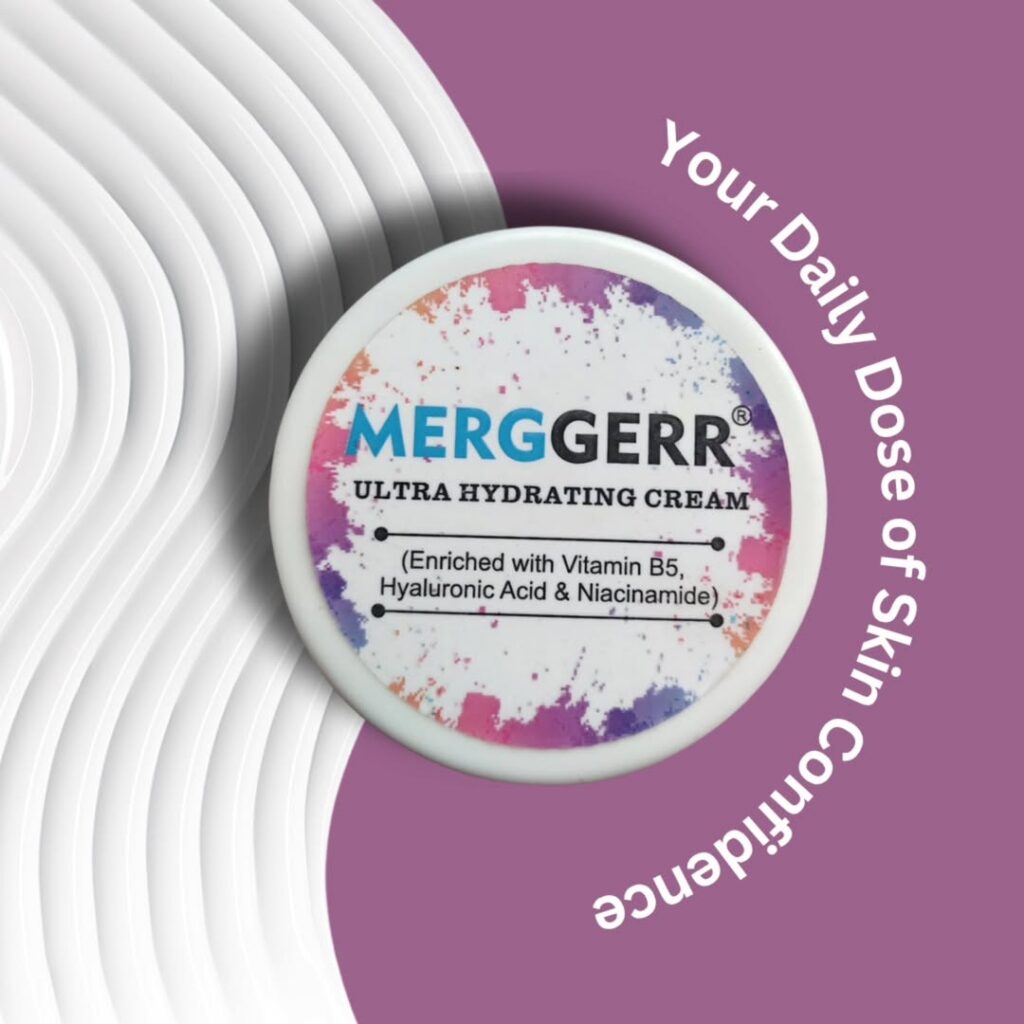
Winter brings cozy sweaters, warm drinks, yummy desserts and festive vibes—but it can be harsh on your skin. Cold temperatures, dry winds, and indoor heating systems strip the skin of its natural moisture, often leading to dryness, dullness, irritation,rashes and increased sensitivity. Without proper care, winter weather can weaken the skin barrier and make common concerns like flakiness, redness, itching, and even breakouts more noticeable. Following the right winter skin care routine is essential to maintain healthy, hydrated, and glowing skin throughout the season. Unlike summer, when excess oil and sweat are common concerns, winter demands a more nourishing and protective approach. Skin care during colder months focuses on restoring lost moisture, strengthening the skin barrier, and protecting the skin from environmental stressors with applying best moisturizing cream. With a few mindful changes to your daily routine, you can keep your skin comfortable, resilient, and radiant all winter long.
Why Skin Needs Extra Care in Winter
During winter, humidity levels drop significantly—both outdoors and indoors. The lack of moisture in the air causes water to evaporate from the skin more quickly, leading to dehydration. Indoor heating systems further worsen the problem by drying out the surrounding environment. As moisture levels decrease, the skin’s natural barrier weakens, making it harder to retain hydration and protect itself from irritants. This weakened barrier often results in tightness, rough texture, flaking, and increased sensitivity. People with dry or sensitive skin are especially prone to discomfort during winter, but even those with normal or oily skin may notice dullness, uneven texture, or irritation. Cold winds can also damage the skin’s surface, causing redness and inflammation. These seasonal challenges make winter skin care not just beneficial, but essential.
Essential Winter Skin Care Tips
1. Switch to a Gentle Cleanser
Cleansing is the foundation of any skin care routine, but harsh cleansers can do more harm than good in winter. Strong foaming or soap-based cleansers often strip away the skin’s natural oils, leaving it dry and irritated. Instead, opt for a gentle, hydrating cleanser that effectively removes dirt and impurities without disrupting the skin barrier. Cream-based or low-foam cleansers are ideal for winter. Also, avoid over-cleansing—washing your face twice a day is usually sufficient. Excessive cleansing can increase moisture loss and worsen dryness.
2. Moisturize Regularly and Generously
Moisturizing is the most important step in winter skin care. A good moisturizer replenishes lost hydration, repairs the skin barrier, and protects the skin from harsh environmental conditions. Look for moisturizers that contain hydrating and barrier-strengthening ingredients such as hyaluronic acid, glycerin, aloe vera, niacinamide, ceramides, or vitamin B5. Apply moisturizer immediately after cleansing, while the skin is still slightly damp, to lock in moisture. For extremely dry skin, layering a serum underneath your moisturizer can provide extra hydration. Don’t forget to moisturize your body as well—arms, legs, and elbows are especially prone to dryness in winter.
3. Don’t Skip Sunscreen
A common misconception is that sunscreen is only necessary in summer. In reality, UV rays can damage the skin all year round—even on cloudy winter days. Sun exposure during winter can worsen dryness, cause pigmentation, and accelerate premature aging. Apply a broad-spectrum sunscreen daily to protect your skin from UVA and UVB rays. This is especially important if you spend time outdoors or near reflective surfaces like snow, which can intensify sun exposure.